
The Sahel region of West Africa is experiencing one of its most significant democratic setbacks in decades, according to findings gathered by The Times Plus. With multiple governments falling to military rule and internal democratic institutions weakening across the region, analysts warn that West Africa’s political trajectory may be shifting in a direction that could have lasting geopolitical implications.
At the centre of this regional uncertainty stands Nigeria, long regarded as the stabilising anchor of democratic governance in West Africa. New information obtained from political insiders and institutional observers now raises concerns about internal pressures that could challenge Nigeria’s ability to maintain its democratic integrity.
Sahel Region: A Sharp Reversal in Democratic Gains
The Sahel has witnessed an unprecedented return to military governance in recent years, with Mali, Burkina Faso, and Niger now under the control of military juntas. These countries, all formerly governed by civilian administrations, experienced coups between 2020 and 2023 and have since distanced themselves from regional bodies such as the Economic Community of West African States (ECOWAS).
- Mali’s military government most recently dissolved all political parties in May 2025.
- Burkina Faso faced two coups in 2022, leading to a prolonged period of transitional military rule.
- Niger experienced a coup in 2023 that ended its democratically elected government.
Political analysts attribute these shifts to a combination of deteriorating security conditions, economic hardship, weak institutions, and widespread frustration among citizens.
Nigeria: A Pillar Under Pressure
Nigeria, Africa’s most populous nation, has traditionally acted as a counterweight to instability in the Sahel. However, sources consulted for this report highlight emerging risks to the country’s internal political stability and its democratic institutions.
While Nigeria has not experienced a military takeover, the domestic political environment has become increasingly contentious. Reports of tensions within key political structures and escalating disputes between influential political actors suggest a growing fragility in the system.
Sources: Wike’s Influence a Factor in Rising Political Tensions
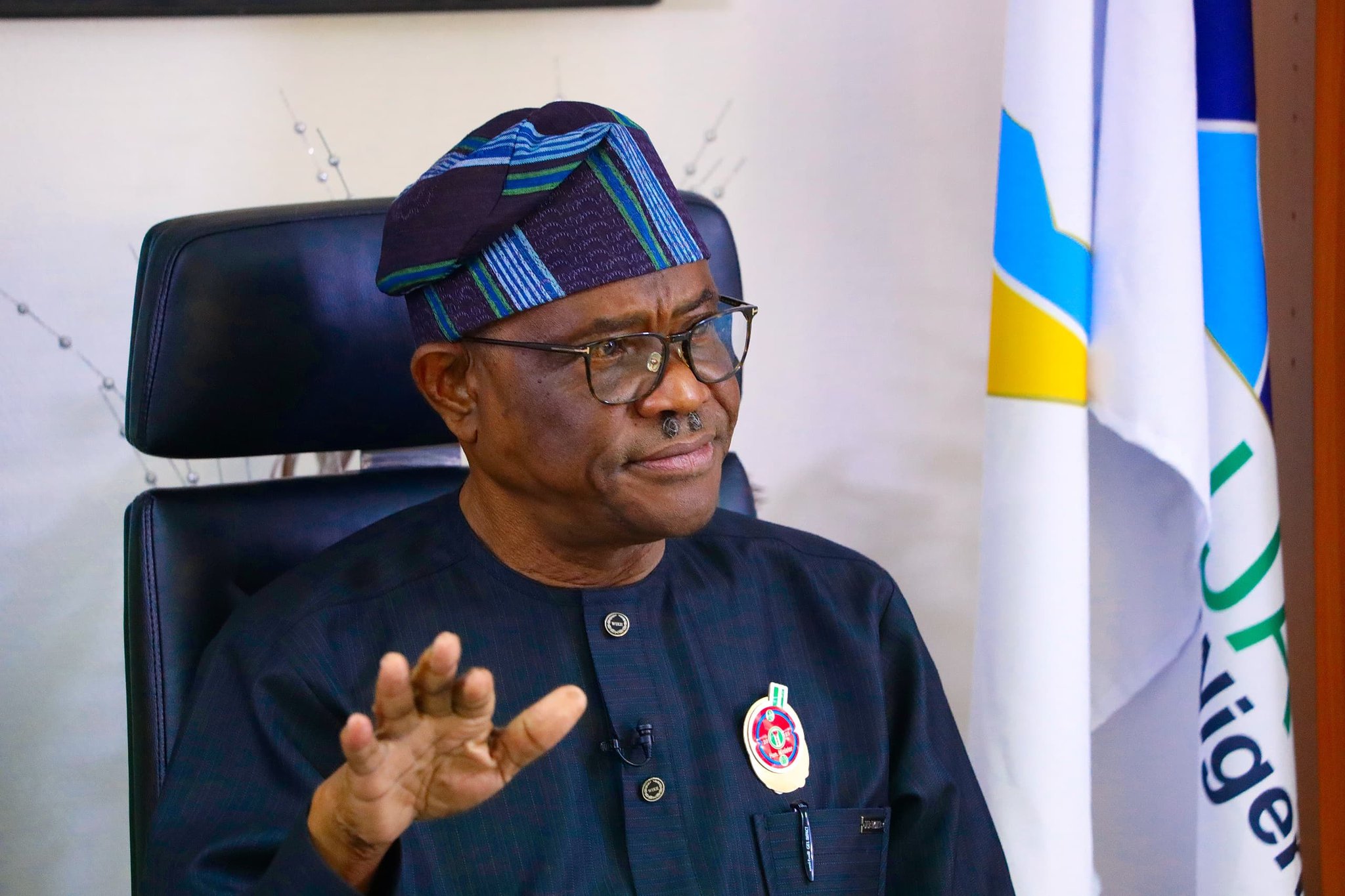
According to sources familiar with Nigeria’s political landscape, Nyesom Wike, the Minister of the Federal Capital Territory and a prominent figure within the ruling political establishment, has been identified as one of the individuals contributing to internal destabilisation.
These sources allege that Wike’s political manoeuvres, particularly his influence within the judiciary, police, and the Independent National Electoral Commission (INEC) have intensified existing divisions within opposition parties. Several interviews and internal documents reviewed by The Times Plus indicate that his involvement has aggravated disputes, especially within the People’s Democratic Party (PDP) and the Labour Party (LP).
Wike has not publicly commented on these allegations, and his supporters deny any wrongdoing, insisting that his actions are in line with political strategy and governance priorities.
Rivers State Dispute Illustrates Broader Concerns
The tensions between Wike and his successor, Governor Siminalayi Fubara, in Rivers State serve as a microcosm of the broader political instability. In 2023, a breakdown in relations between the two sparked legal disputes, competing legislative factions, and a fire incident at the State House of Assembly.
Subsequent investigations show that rival groups within the state’s political establishment used the crisis to assert control of legislative proceedings, reflecting a wider national trend of weakening institutional independence.
Political Realignment and the One-Party Question
Another source of concern is the growing dominance of the All Progressives Congress (APC). Over the past two years, a significant number of politicians including governors, senators, and senior party officials have defected from opposition parties to join the ruling APC.
Political scientists interviewed by The Times Plus warn that if this trend persists, Nigeria could risk sliding toward a de facto one-party structure, diminishing political plurality and weakening the democratic balance envisaged in the constitution.
Opposition parties such as the PDP, LP, and ADC have reported internal divisions, leadership disputes, and external pressures. Documents reviewed by this publication suggest that some of these internal crises were exacerbated by actions from influential political actors, including those aligned with the federal administration.
Concerns Over Institutions and Governance
The National Assembly, which traditionally acts as a check on the executive, has been criticised by civil society groups and political analysts for what they describe as diminishing independence. Several legislative decisions in recent years have been widely interpreted as aligning closely with executive interests.
Meanwhile, allegations have surfaced regarding the use of state resources to influence political loyalties. Reports indicate that some opposition governors face unequal access to federal funding, potentially limiting their ability to govern effectively.
These patterns, if sustained, could signal a shift in Nigeria’s democratic norms, particularly ahead of the 2027 general elections, where a competitive multi-party environment is crucial to electoral credibility.
Regional and International Implications
With a population exceeding 250 million and a history of influencing security dynamics across West and Central Africa, Nigeria’s stability remains a significant concern for international observers.
Experts warn that any major destabilisation in Nigeria could have wide-ranging effects, including:
- increased migration flows toward Europe and North Africa
- heightened security challenges across the Sahel
- expanded opportunities for extremist groups
- economic shocks affecting neighbouring countries
The interconnected nature of these challenges reinforces Nigeria’s central role in regional stability.
A Critical Moment for West African Democracy
The Sahel’s democratic retreat, combined with Nigeria’s internal political tensions, marks a critical moment for the future of governance in West Africa. While Nigeria remains formally democratic, the pressures currently shaping its political environment merit close attention from analysts, policymakers, and regional institutions.
As further developments emerge, The Times Plus will continue monitoring the situation, speaking with key stakeholders, and publishing verified findings on this evolving political landscape.
